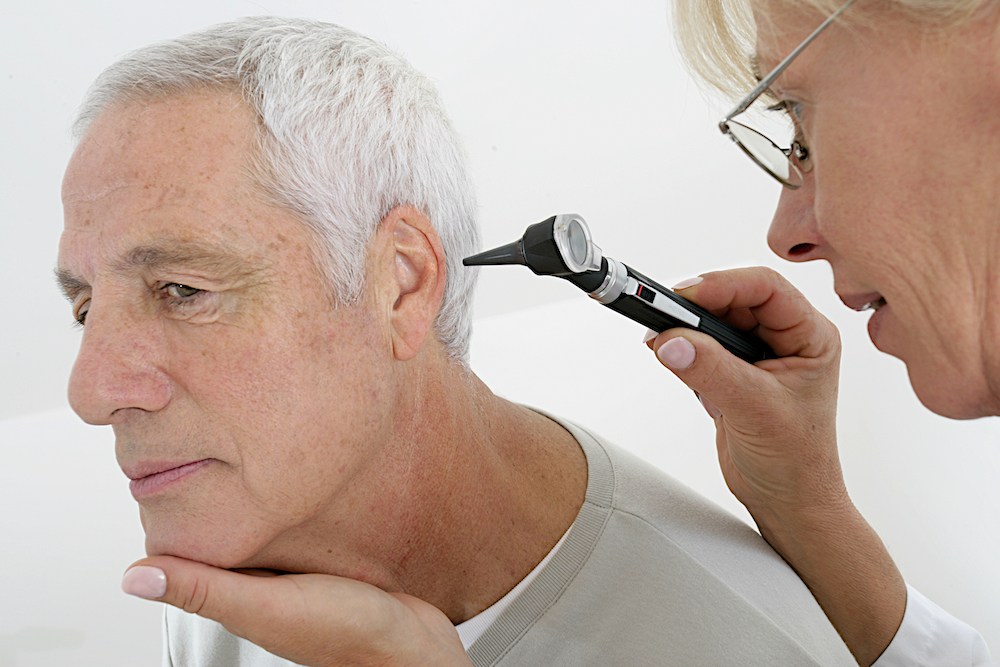
Many people focus on their eyesight or dental health but may not realize the importance of regular hearing check-ups.

Changes in hearing often happen slowly, making them easy to miss. When these changes go unnoticed, you may experience communication problems and difficulties in daily life.

Staying on top of your hearing health gives you a better chance to address small changes before they grow into bigger concerns. Regular check-ups keep you connected to those around you and help maintain your quality of life.

Understanding the reasons behind regular hearing check-ups is an important part of caring for your overall well-being.

Understanding How Hearing Functions and Why It May Change as You Age

Sound enters the ear and travels through several small parts, including the eardrum, tiny bones and hair cells in the inner ear. These work together to send signals to the brain.

As you get older, the hair cells in your inner ear can become less sensitive or damaged, making it harder to hear soft sounds or follow conversations, especially in noisy places. Age-related hearing loss is common and usually develops slowly. Long-term exposure to loud noise and certain health conditions like diabetes can also affect your hearing over time.

How Medications and Health Conditions Can Affect Hearing

Medications and certain health conditions can influence hearing in ways that are not always obvious at first. Some treatments may change how the ears respond to sound, while ongoing health issues can affect how well your hearing works day to day.

You might notice sounds feel different, speech seems less clear or listening takes more effort than before. These changes do not always appear suddenly, which makes them easy to overlook.

Paying attention to how your hearing feels when managing medications or health conditions can help you stay aware of changes and know when it may be time to check in with an audiologist.

Effects of Untreated Hearing Loss on Your Daily Life and Relationships

Addressing hearing loss can help you feel more confident and maintain connections with others. Even mild hearing changes can affect daily routines and relationships if left unaddressed.

Untreated hearing loss may lead to:

  • Missing important details during conversations at work or home.
  • Feeling left out during group activities or social events.
  • Asking people to repeat themselves more often, which can be frustrating for everyone.
  • Withdrawing from gatherings because following conversations feels difficult.

Recognizing Common Reasons for Hearing Loss in Both Adults and Children

Hearing loss can affect both adults and children for a variety of reasons, many of which are part of everyday life or normal health changes.

Common causes include repeated exposure to loud sounds, ongoing ear infections and certain medical conditions that influence how the ears or nerves function. In some cases, hearing changes may be present from birth or develop during childhood due to issues that affect ear development.

Injuries to the head or ears can also play a role at any age. Recognizing these common reasons shows that hearing loss can affect people of all ages and makes ongoing awareness an important part of hearing health.

Noticing Early Signs That Your Hearing Could Be Changing

Small changes in hearing often go unnoticed at first, but catching them early can make a difference in your daily life.

Watch for these signs:

  • Frequently asking others to repeat themselves.
  • Trouble hearing conversations when there is background noise.
  • Turning up the TV or radio louder than before.
  • Feeling like people are mumbling or speaking too softly.
  • Missing everyday sounds like doorbells, alarms or phones ringing.

How Often Should You Schedule a Hearing Check-Up?

You might wonder how often you need to have your hearing checked. The answer depends on your age, general health and whether you notice any changes in your hearing.

For adults with no known hearing issues, a check-up every three years is usually recommended. If you are over 60 or work in noisy environments, yearly check-ups are a good idea.

Many people forget to schedule these appointments until they notice a problem. Setting a reminder on your phone or marking your calendar can help you remember to schedule regular hearing check-ups.

Making this a routine helps you stay ahead of any changes and keeps you connected with friends and family.

What Happens During a Standard Hearing Check-Up Appointment

During a standard hearing check-up, your audiologist will ask about your hearing history and any changes you have noticed. You will wear headphones and listen to sounds or words at different volumes and pitches to measure how well you hear.

To make the most of your visit, bring any questions or concerns you have. Being open about what you notice helps your audiologist provide the best care.

Easy Ways to Protect Your Hearing Health Between Appointments

There are simple steps you can take to protect your hearing between appointments. Wear earplugs or earmuffs in loud environments like concerts or when using power tools.

Keep music volume low when using headphones and try not to use them for long periods. Give your ears breaks from noise when possible. Avoid putting objects like cotton swabs into your ears since this can push wax deeper.

If you notice any changes in your hearing or have concerns, talk with your audiologist, they will be able to find the right treatment for you. Making hearing protection part of your daily routine helps support long-term hearing health.

Taking Charge of Your Hearing Health for the Future

Regular hearing check-ups play an important role in catching changes early and helping you maintain strong connections with those around you.

Making these appointments part of your routine, you can spot issues before they become harder to manage and find solutions that fit your needs. Staying proactive about your hearing health also supports clear communication at home, work and in social settings.

If it has been some time since your last hearing check-up or if you have noticed changes, consider scheduling an appointment. An audiologist is here to answer questions, offer guidance on protecting your hearing and help create a plan that works for you. This approach helps keep both your hearing and quality of life on track.