
Hearing often changes slowly, so it can be easy to miss the early signs. You might turn up the TV a little more, ask people to repeat themselves or feel tired after conversations without thinking much about why.
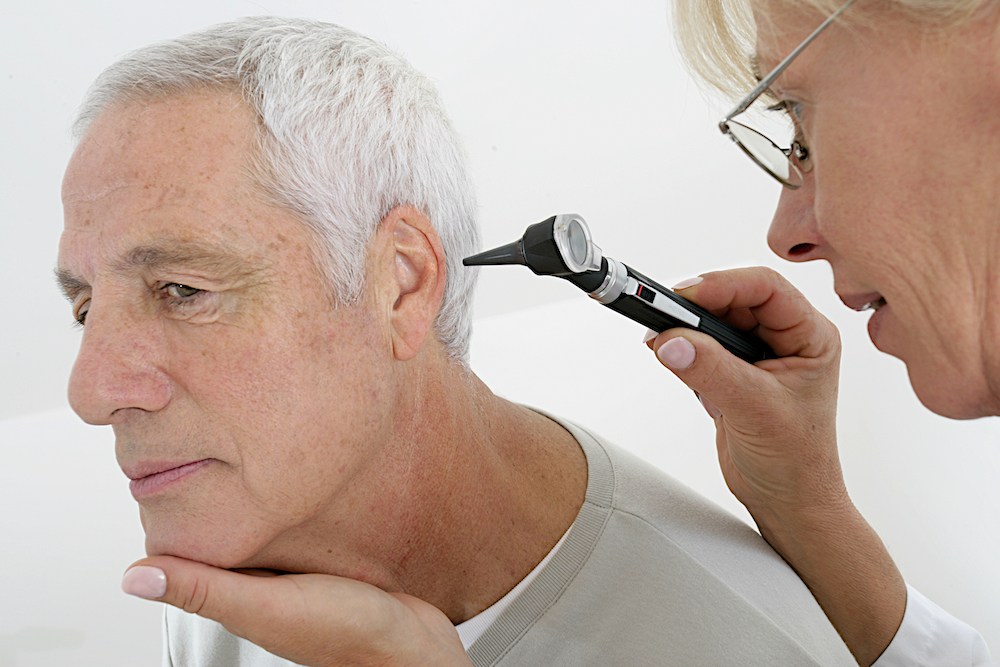
Annual hearing evaluations are one of the simplest ways to keep track of these small changes before they start to affect your life in a bigger way. With regular checkups, you get clear information about how you hear now and how that compares with past years.

That helps you and an audiologist make choices that fit your needs, instead of waiting until communication feels stressful or isolating. Yearly evaluations become a simple routine that supports better conversations and stronger relationships.

How Aging and Noise Affect Your Hearing

Hearing changes naturally as we age, often making it harder to catch higher-pitched sounds or follow conversations in busy environments.

Long-term exposure to loud noises, whether from work, concerts or personal listening devices, can accelerate this process by damaging the tiny hair cells in your inner ear that help transmit sound to the brain.

Both aging and noise exposure can make listening more challenging, even if you haven’t noticed a sudden drop in hearing. These factors and monitoring your hearing with an audiologist can help you protect and maintain your auditory health.

Early Hearing Changes You May Not Notice Right Away

Some changes in your hearing can happen gradually, making them easy to miss until they start affecting your routine. You might notice subtle signs that something is shifting even if conversations still feel mostly normal.

These signs can include:

  • Struggling to hear in crowded or noisy spaces.
  • Asking people to repeat themselves more often.
  • Turning up the volume on the TV or phone higher than usual.
  • Difficulty distinguishing similar-sounding words.

What to Expect During an Annual Hearing Evaluation

During an annual hearing evaluation, you audiologist will begin by reviewing your medical and hearing history.

They may ask about any changes in your hearing, exposure to loud noises or symptoms like ringing in the ears.

This helps them understand your listening experiences and any factors that could affect your hearing. You might also be asked about medications or health conditions that can influence auditory function.

The testing portion usually involves listening to tones at different pitches and volumes to determine the softest sounds you can hear. Speech understanding is also assessed, often in both quiet and noisy settings, to see how well you can follow conversations.

Your audiologist will explain the results, highlighting any changes from previous tests and what they indicate about your hearing health. At the end of the evaluation, you will have a clear understanding of your hearing and guidance on steps to maintain or improve it.

How Yearly Test Results Show Changes in Your Hearing

Each yearly hearing evaluation shows you how you hear at that point in time. When these results are lined up year after year, your audiologist can see if your hearing has stayed the same or changing in certain pitches or ears.

This pattern is often easier to understand than trying to remember how things seemed a few years ago.

If the chart shows small changes from one year to the next, your audiologist can explain what that means for real life situations, like following speech in noise or hearing soft voices at home. You can then decide when simple communication tips are enough and when extra support might help.

Support can include hearing devices, custom ear protection for loud settings or changes in how you set up your home or workspace.

When to Plan Your First Annual Hearing Evaluation

A good time to plan your first annual hearing evaluation is when you notice early changes, like turning up the TV, asking people to repeat more often or feeling worn out after conversations.

Many audiologists also suggest a baseline test around age 50. You may want one sooner if you work in loud places, have a family history of hearing loss or already notice ringing in the ears.

A baseline test gives you a starting point, so any future changes are easier to see and understand.

If any change in your hearing is causing worry, stress or strain in your life, scheduling that first checkup can bring clear answers and a simple plan to help you stay connected.

Simple Ways to Get Ready for Your Next Hearing Checkup

Preparing for your next hearing checkup can help make the appointment more productive and give your audiologist a complete picture of your hearing. Start by taking note of any changes you’ve noticed since your last visit.

This could include difficulty following conversations, new ringing in your ears or needing higher volume on devices. Writing down these observations ensures you don’t forget any details during the appointment.

It also helps to gather information about your recent health history. Bring a list of medications you’re taking and any medical conditions that could affect your hearing, like diabetes or high blood pressure.

If you’ve been exposed to loud noise at work jot down when and how often this occurs. This context allows your audiologist to better understand what might be impacting your hearing.

Finally, think about your daily listening experiences.

Note situations where you struggle to hear, like in crowded rooms, on phone calls or while watching TV. Sharing these examples with your audiologist helps them tailor the evaluation and any recommendations to your real-life needs.

Scheduling a Yearly Evaluation

Annual hearing evaluations are a straightforward way to protect your hearing, support brain health and maintain connections with the people around you.

When they become part of your regular health routine small changes are found early.

If it has been more than a year since your last hearing check or if you have never had one, this may be the right time to schedule an appointment with an audiologist. An audiologist can provide clear test results, explain what they mean for real-life situations and discuss any next steps that match your goals.