Have you ever wondered how musicians manage to keep their hearing sharp while spending hours surrounded by loud music? Playing or listening to music at high volumes is a regular part of many musicians’ lives, but it can put your hearing at risk over time.

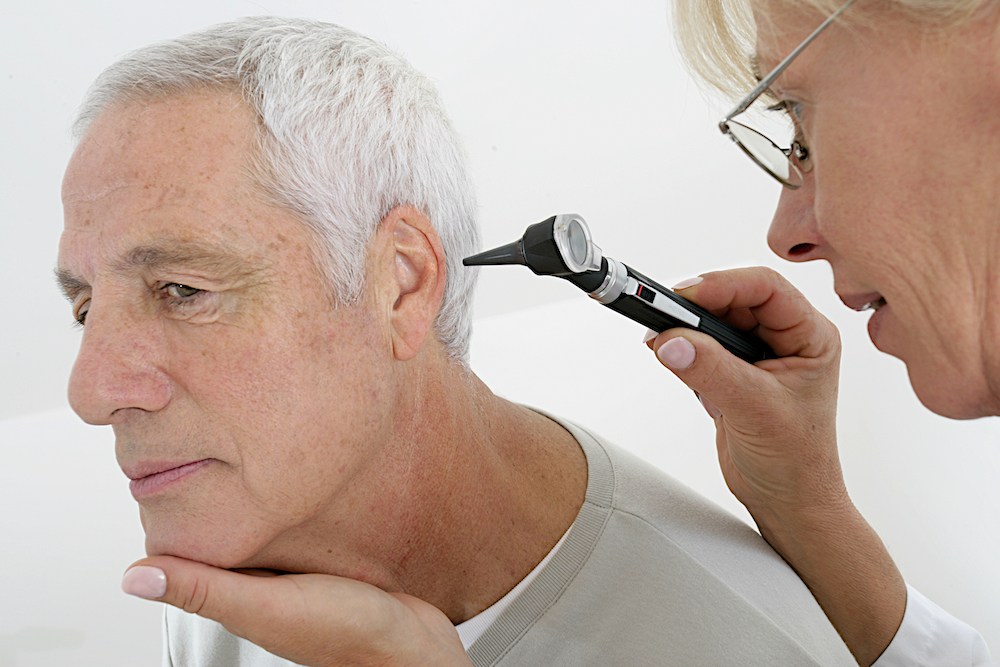
Protecting your ears helps maintain clarity and accuracy in your music over time. Regular checkups with an audiologist can help track your hearing and catch any changes early, while simple strategies can reduce the risk of damage during rehearsals or performances. Staying aware of hearing health supports both your music and your long-term well-being.

How Loud Noise Can Affect Your Hearing

Exposure to loud sounds can have a significant impact on a musician’s hearing over time. Sounds at high volumes, especially when experienced for long periods, can make it harder to hear certain frequencies and affect the way you perceive music.

Even if the change isn’t noticeable at first, repeated exposure can lead to lasting effects, making it more difficult to distinguish subtle notes or tones. Understanding how noise affects your ears is an important step in finding ways to protect your hearing while continuing to perform and practice.

Common Hearing Risks Musicians Encounter in Various Settings

Musicians face different risks depending on where and how they perform. Whether you are playing in a small club, a large concert hall or a practice room, each setting brings unique risks for your ears.

Sudden loud sounds from speakers, instruments or headphones can be harmful. Long rehearsals without breaks can also strain your hearing. Being aware of your environment and taking steps to protect your ears allows you to focus on what you love.

Noticing Early Warning Signs of Hearing Changes

Some early signs include having trouble understanding speech in noisy places or needing to turn up the volume on music or devices more than before. You might also notice that sounds seem muffled, or that you hear ringing or buzzing in your ears after playing music.

These changes may seem small at first, but they are important signals that your ears are being affected by loud sounds. If you notice any of these changes, an audiologist can help you find ways to protect your hearing and keep enjoying music safely. Acting quickly helps manage any problems and prevent further damage.

Why Musicians Benefit From Routine Hearing Checkups

Routine hearing checkups are valuable for musicians who want to keep track of their hearing and catch problems early. Some important reasons for regular visits with an audiologist include:

  • Identifying small changes in hearing that may not be obvious day-to-day.
  • Getting advice on custom ear protection for different music settings
  • Learning safe listening habits and how to take breaks during practice.
  • Tracking your hearing health over time so you can keep making music.

Ear Protection Options Made for Music Professionals

Musicians have unique needs when it comes to ear protection, and there are products designed just for you. Custom-fit earplugs and high-fidelity filters lower the volume of music while keeping the sound clear and natural.

These options allow you to hear your own instrument and others without losing important details. Choosing ear protection made for music professionals helps you enjoy every note while taking care of your hearing for years to come.

Using Earplugs and Earmuffs Properly During Practice and Shows

Using earplugs and earmuffs correctly is key to protecting your hearing during practice and shows. Always make sure your earplugs fit snugly and are worn before the music starts.

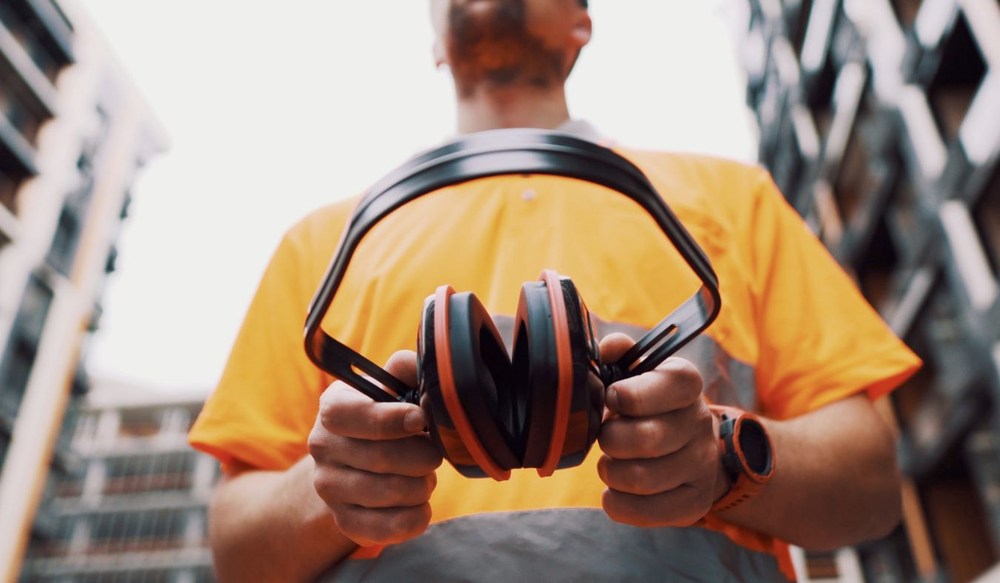
Earmuffs should fully cover your ears without leaving gaps, especially in very loud settings. Make sure they are comfortable so you can wear them for long periods if needed.

Keep your ear protection clean and replace it when it becomes worn out or damaged. Good habits with earplugs and earmuffs help you enjoy music safely while keeping your hearing strong.

What are In-Ear Monitors?

In-ear monitors are helpful tools for many musicians during live shows and practice sessions. These devices fit inside your ears and let you hear a mix of music or your own instrument at a lower, safer volume. Blocking out some of the loud sounds from the stage or room, in-ear monitors help reduce the risk of hearing damage.

Proper use and fitting are important. Make sure not to turn the volume up too high. In-ear monitors allow you to control what you hear while keeping your hearing safe during performances.

The Importance of Resting Your Ears

Giving your ears time to rest after being exposed to loud music is an important part of hearing care for musicians. Taking breaks between rehearsals or performances allows your ears to recover from loud sounds.

Even short periods of quiet time can help lower the risk of long-term hearing changes. Spend time in a quiet space after playing or listening to loud music and avoid using headphones or earbuds during these breaks. Making ear rest a regular habit helps keep your hearing healthy so you can enjoy music for years to come.

Managing Sound Levels on Stage and in Rehearsal Rooms

Managing sound levels on stage and in rehearsal rooms helps protect your hearing while still allowing you to enjoy making music. Keeping the volume at a safe level can lower the risk of hearing changes, even during long practices or performances.

Try adjusting speaker and monitor positions to direct sound away from your ears, set volume controls at the lowest level needed and measure sound levels with a decibel meter if possible. These steps help create a safer environment for both you and other musicians.

Taking Steps Toward Lifelong Hearing Health as a Musician

Musicians rely on their hearing every day, so protecting it is essential. Using ear protection, managing sound levels and watching for early changes can all help maintain your hearing now and in the future.

Even small changes in your hearing can affect how you enjoy music or perform on stage. If you notice any signs of trouble or want to make sure your ears are staying healthy, schedule an appointment with an audiologist.

Regular checkups and custom solutions help keep your hearing strong while letting you enjoy every note. Taking care of your ears today helps ensure that music remains an important part of your life for years to come.