Hearing loss in teenagers often goes unnoticed, especially as teens become more independent and spend more time using headphones or earbuds. Busy schedules and subtle changes in behavior can make it difficult for parents to recognize when support is needed. Learning about the signs and causes of hearing loss in teens, you can make informed choices that help your child succeed at school and maintain healthy relationships. Understanding what to look for and how to respond helps you to support your teen’s well-being during these important years.

How Hearing Loss Changes Daily Life For Teenagers

Hearing loss can affect many aspects of a teenager’s daily life, from school to social activities. In the classroom, it may be harder to follow lectures or group discussions, especially when there is background noise. Social interactions with friends can also become more challenging, leading to feelings of frustration or isolation if conversations are frequently misunderstood. Even routine activities, like listening to music or watching videos, may require extra effort to fully enjoy. These challenges can influence confidence and participation, making it important for teens to have support and strategies in place to manage their hearing and stay engaged in everyday life.

Common Reasons Teens Experience Hearing Loss

There are several reasons why teens might develop hearing loss. Lifestyle choices, health issues and environmental factors all play a role. Listening to loud music through headphones or earbuds is a common cause, as is spending time in noisy places like concerts or sporting events. Other factors include certain illnesses like ear infections, some medications that affect hearing, a family history of hearing problems and injuries to the head or ear. Being aware of these risks can help you take steps to protect your teen’s hearing.

Signs of Hearing Loss Parents Should Notice in Teens

The early signs of hearing loss in teens can be subtle. You might see your teen turning up the volume on the TV or their headphones more than usual, or asking you to repeat yourself often, especially in noisy settings. At school, your teen may seem less interested in social activities or have trouble following conversations with friends and teachers. Sometimes, grades drop because instructions or important details are missed during class.

If you notice these changes, it helps to talk openly with your teen and pay close attention to their experiences. Early support from an audiologist can make a real difference in your teen’s school performance and social life.

Effects of Hearing Loss on School Performance and Friendships

When teens have trouble hearing, it can impact their ability to keep up with schoolwork and form strong friendships. Missing parts of classroom lessons or group conversations may cause frustration or feelings of isolation. Some challenges your teen may face include:

  • Difficulty understanding teachers in noisy classrooms.
  • Trouble joining group discussions or activities.
  • Feeling left out from friends due to missed jokes or stories.

Emotional Well-Being and Self-Esteem in Teens With Hearing Loss

Hearing loss can influence how teens feel about themselves and their place among friends. Some may feel embarrassed or frustrated if they have trouble following conversations or need to ask others to repeat things. This can sometimes lead to lower self-esteem or feeling different from their peers.

Checking in with your teen about their feelings and offering encouragement is important. Remind them that hearing loss is common and that support is available both at home and at school. Helping your teen stay involved in activities they enjoy can also boost their confidence.

Communication Tips for Families

Clear communication at home helps teens with hearing loss feel supported. Simple steps like facing your teen when you speak, reducing background noise and speaking clearly can make conversations easier. Encourage your teen to tell you if they need something repeated or if they are having trouble hearing in certain situations. Open communication builds trust and helps your teen feel comfortable asking for help.

Technology Use and Loud Noise as Risk Factors for Teens

Many teens use headphones or earbuds every day, but not everyone realizes the risks of high volume and long listening times. Listening to music or videos at loud volumes can damage the tiny hair cells inside the ear, which may lead to permanent hearing loss if not addressed. Teens who spend time at concerts, sports games or other noisy places are also at risk. Encourage your teen to choose lower volumes and take breaks from loud sounds to help keep their hearing healthy.

What to Do If You Think Your Teen Has Hearing Loss

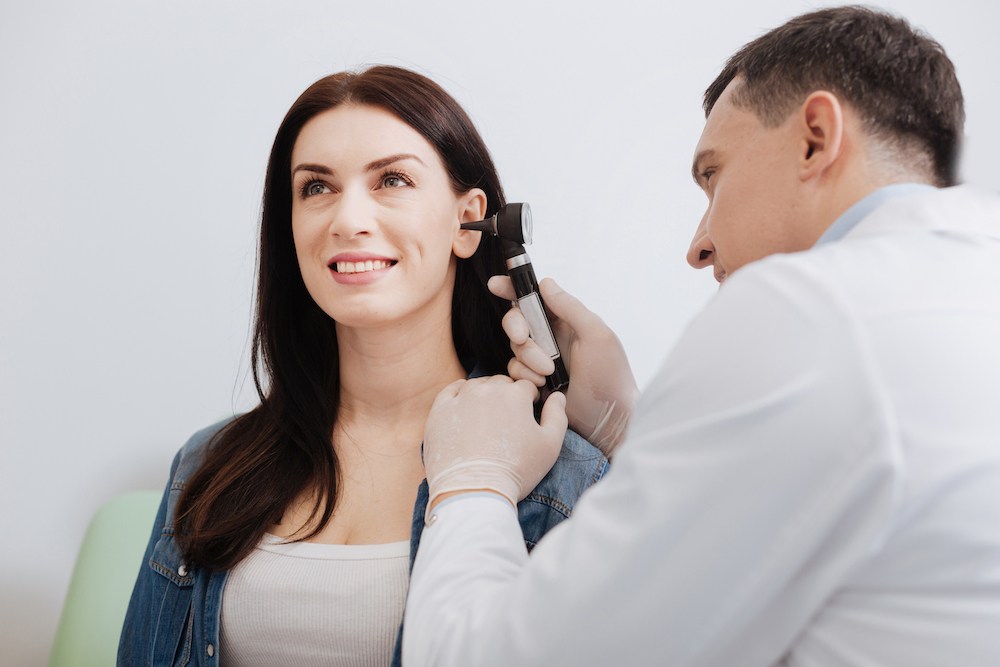
If you suspect your teen may have hearing loss, start by having a calm and supportive conversation. Ask if they have noticed any difficulty hearing in class, with friends or while using devices. Listening to their concerns helps you understand their experience. Next, schedule a hearing check with an audiologist. They can test your teen’s hearing and explain the results clearly. If support or treatment is needed, they will discuss the options with you. Taking action early can improve your teen’s daily life and confidence. Support is available for both you and your teen.

How Audiologists Check Hearing in Teenagers

An audiologist uses simple and safe tests to check hearing in teenagers. These tests show how well your teen can hear different sounds and understand speech. Most checks involve wearing headphones and listening for beeps or tones at different volumes. Your teen will signal each time a sound is heard. Some tests use words or sentences played through speakers to see how clearly your teen understands speech. If you have questions about the process, your audiologist will answer any questions you may have.

Supporting Your Teen’s Hearing Health Every Day

Caring for your teen’s hearing health is an ongoing process that benefits from early attention and open communication. If you notice signs of hearing loss or have concerns about your teen’s listening habits, schedule an appointment with an audiologist. An audiologist is available to answer questions and provide support tailored to your family’s needs. Taking these steps helps your teen stay connected at home, in class and with friends.